The Critical Role of
Airport Drainage Systems
The Critical Role of
Airport Drainage Systems

<p><strong>Table of contents</strong></p><ul><li>Why Airport Drainage Is Essential Infrastructure</li><li>Types of Airport Drainage Systems</li><li>Key Considerations in Airport Drainage Design</li><li>BG-GATIC Castslot: Heavy-Duty Trench Drainage for Runways</li><li>BG-FILCOTEN one: Sustainable Drainage for Airport Warehouses</li><li>Conclusion: Investing in Smarter Drainage Systems for Safer Airports</li></ul>
<h2><span class="text--big"><strong>Why Airport Drainage Is Essential Infrastructure</strong></span></h2><p>Effective stormwater drainage is critical for airport safety and operational continuity. These systems manage heavy rainfall to prevent runway flooding and reduce the risk of hydroplaning, ensuring aircraft maintain proper tire friction for safe operations.</p><p>Well-designed drainage minimizes water pooling, limiting the attraction of hazardous wildlife, particularly birds, which pose significant safety risks to aircraft. Additionally, drainage systems capture and filter contaminants like de-icing chemicals, ensuring compliance with environmental regulations and protecting nearby water bodies. By maintaining clear runways and taxiways, robust drainage supports uninterrupted airport operations and preserves infrastructure integrity.</p><p>Eco-friendly airport stormwater management systems ensure environmental compliance. <a href="/en-ca/applications/airport-drainage"><u>Airport drainage systems</u></a> utilize specialized drainage channels or catch basins to capture and filter chemicals, including de-icing fluids. Green materials also reduce their environmental impact.</p>
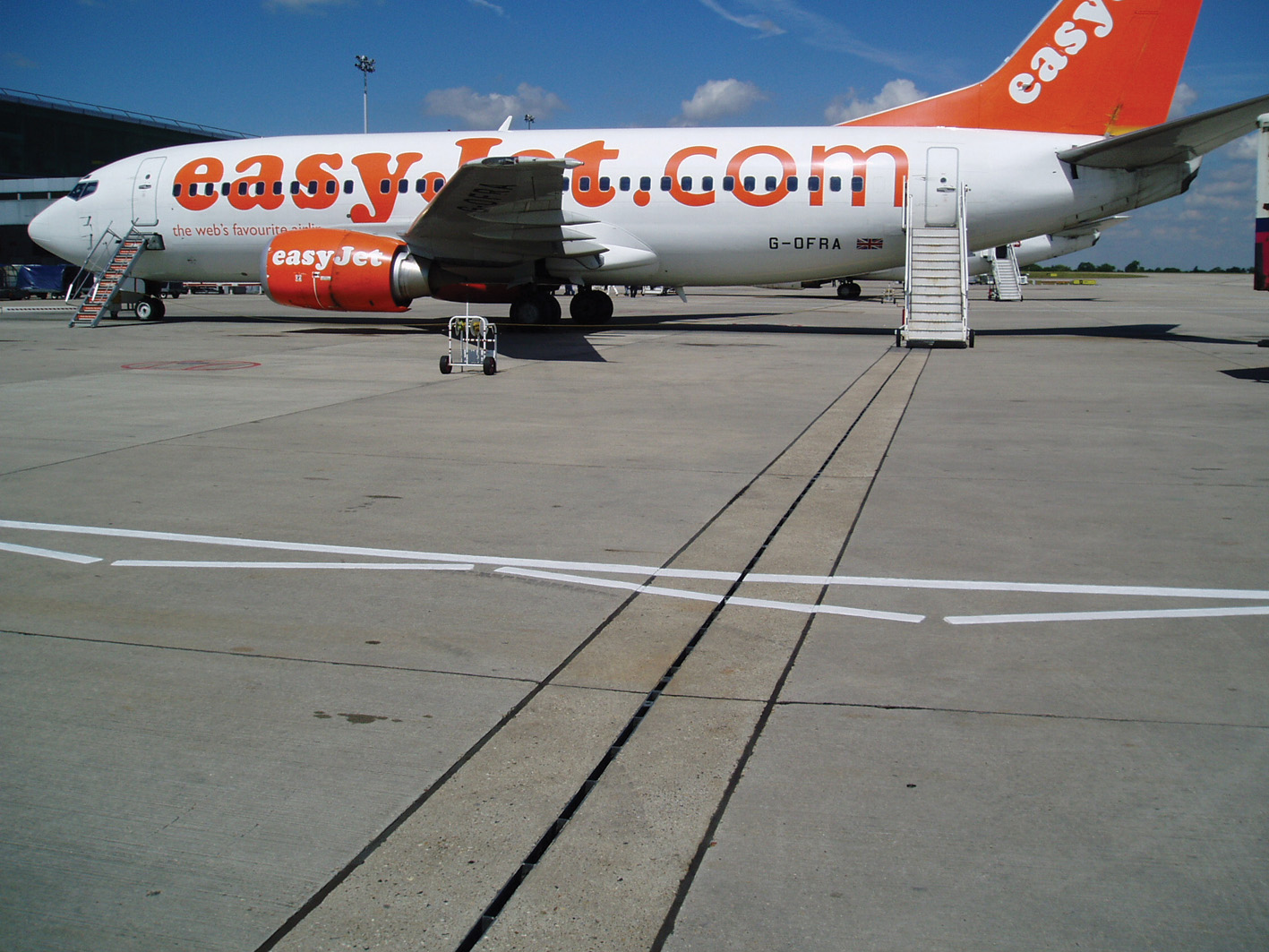
<h3><span class="text--medium"><strong>Airport Runway Safety and Runway Flood Prevention</strong></span></h3><p>Surface runoff due to heavy rainfall poses significant hazards to airport operations. Climate change and extreme weather events exacerbate these risks, placing strain on existing infrastructure.</p><p>Hazards relating to surface water on runways and taxiways include:</p><ul><li><strong>Hydroplaning: </strong>Accumulated water reduces tire friction, causing hydroplaning - a significant concern for high-speed operations. Wet surfaces lead to suboptimal directional control or braking efficiency, particularly when water pools unevenly.</li><li><strong>Limited Visibility:</strong> Standing water creates spray, reducing visibility for pilots and ground personnel. Reflections from wet surfaces hinder runway lighting or cover runway markings, complicating navigation.</li><li><strong>Contamination and Environmental Impact: </strong>Surface runoff carries contaminants like oil or airport de-icing chemicals into nearby water bodies.</li></ul><p>There is also a close link between adequate drainage and accident prevention. <a href="/en-ca/bg-blog/sustainable-rainwater-management"><u>Sustainable rainwater management</u></a> mitigates hazards that lead to accidents. Airport drainage designs safeguard surface integrity, minimize Foreign Object Debris (DOB), improve visibility, and support safe ground operations.</p><p><br> </p><h3><span class="text--medium"><strong>Meeting the Requirements of Airport Drainage Systems</strong></span></h3><p>Airport drainage systems must consider safety, operational conditions, environmental, and regulatory considerations, while paying attention to challenges posed by climate change.</p><p>Key airport flood management system requirements include:</p><ul><li><strong>Load-bearing capacity, weather-resistance, and de-icing management: </strong><br>Stormwater drainage systems are designed to handle dynamic forces, extreme climatic conditions, and de-icing runoff control. Surface runoff management systems must endure ultra-heavy loads from aircraft and supporting machinery, especially in airside areas like runways and taxiways (<a href="/en-ca/bg-blog/load-classes-north-america"><u>load class F</u></a> according to EN 1433).<br>Weather resistance is also critical. Airport infrastructure is exposed to heavy rainfall, ice, and snow. Drainage systems must efficiently manage surface runoff to avert flooding and hazards.<br>De-icing runoff control is another crucial consideration in colder climates. Robust drain systems must withstand runoff contaminated with de-icing chemicals and oil. Corrosion-resistant materials are essential.</li><li><strong>Local and international regulatory compliance (e.g., FAA, Transport Canada Standards)</strong><br>Local and international regulations dictate stringent requirements for stormwater drainage systems. Requirements include load-bearing ratings, material specifications, and drain installation standards, often guided by organizations such as the Federal Aviation Administration (FAA).<br>To ensure regulatory compliance, project planners must work with reputable manufacturers to design drain systems that meet standards for runway safety, operational efficiency, and environmental responsibility.<br> </li></ul>
<h2><span class="text--big"><strong>Types of Airport Drainage Systems</strong></span></h2><p>Trench drains are an excellent fit for airport flood management installations. This is because trench drain systems provide an incline within the channels. Inclines convey water away from aviation infrastructure without the need for complex grading.</p>
<ul><li><strong>Surface vs. subsurface systems: </strong><br>Surface drain systems channel water away from hangers, runways, and taxiways using surface features like transverse or longitudinal grooving, channels, and gutters. Subsurface drainage systems manage water infiltration in paved areas. They protect pavements from water-induced structural damage and bolster surface integrity.</li><li><strong>Slot drains vs. grated trench systems: </strong><br>Slot drains are linear stormwater management systems. They feature slim surface openings (usually 1 inch wide) linked to a subsurface pipe. These installations collect and convey runoff efficiently while retaining a smooth, unobtrusive surface. Grated trench systems feature a wider, exposed, water catchment area. Channels are typically lined with concrete or asphalt to convey massive volumes of surface water away from runways and taxiways. For such applications, the grates will need to be bolted - which can be an issue regarding FOD compliancy (Foreign Object Program).</li></ul>
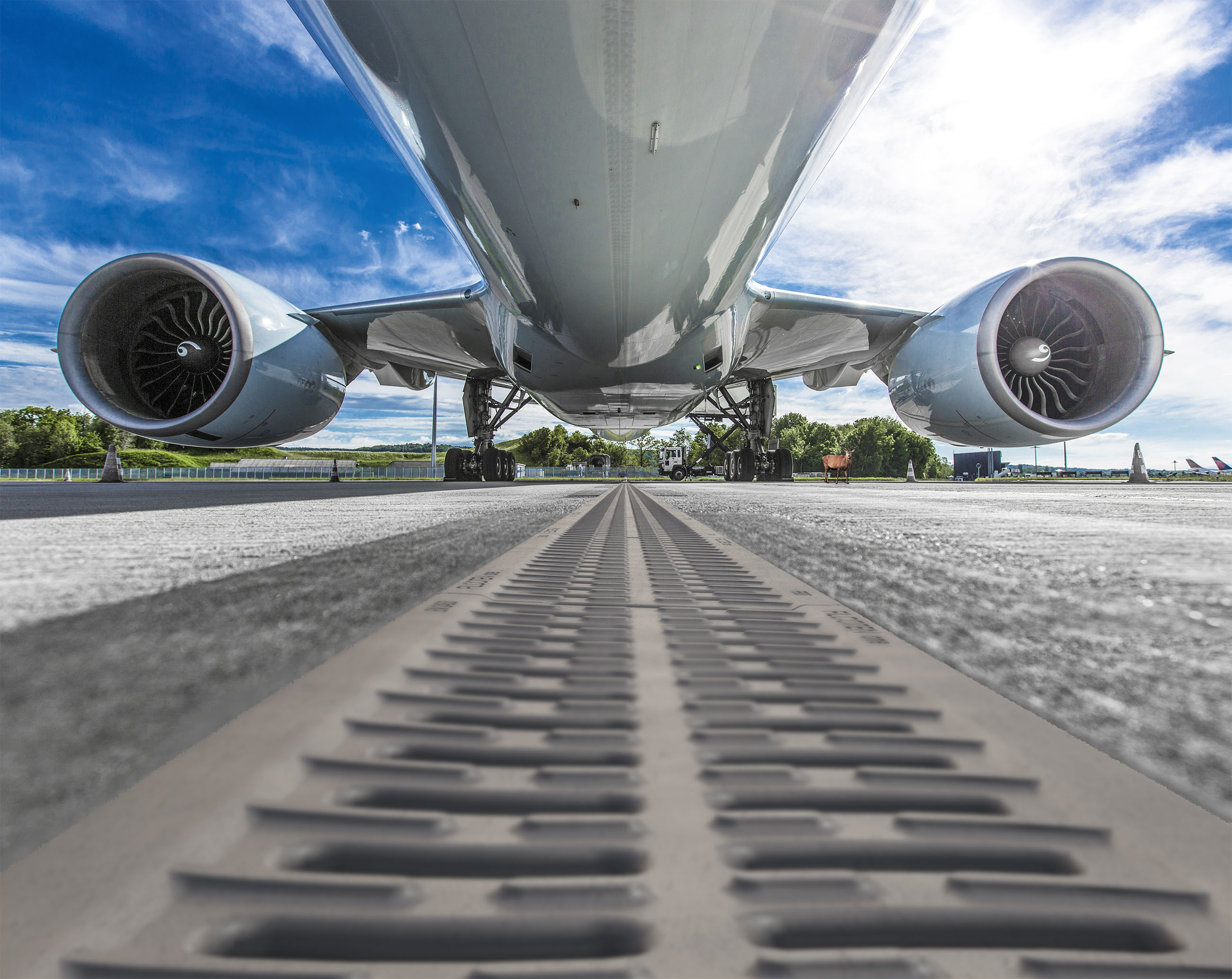
<h2><span class="text--big"><strong>Key Considerations in Airport Drainage Design</strong></span></h2><p>Several factors influence the design of airport drainage systems, including:</p><p> </p><ul><li><strong>Load class, corrosion resistance, and flow rate:</strong><br>Components must endure heavy loads from aircraft and ground vehicles without deforming. Corrosion resistance helps drain installations handle water, de-icing chemicals, fuel, and extreme weather that can weaken drainage components and accelerate corrosion. Calculating flow rates carefully ensures channels can handle expected water volumes, especially during extreme weather events.</li><li><strong>De-icing fluid drainage and environmental containment:</strong><br>Airports in colder climates rely on de-icing chemicals to ensure runway safety. Adequate fluid drainage balances operational safety, environmental containment requirements, and accident prevention.</li><li><strong>Cable and utility integration:</strong><br>Integrating electrical cables and communication infrastructure with drainage systems requires meticulous planning to ensure accessibility. It also averts hazards like hydroplaning, pavement damage, and debris accumulation.</li></ul><p> </p><p>The above factors must be carefully considered in the drainage system design stage to ensure effective installation.</p>
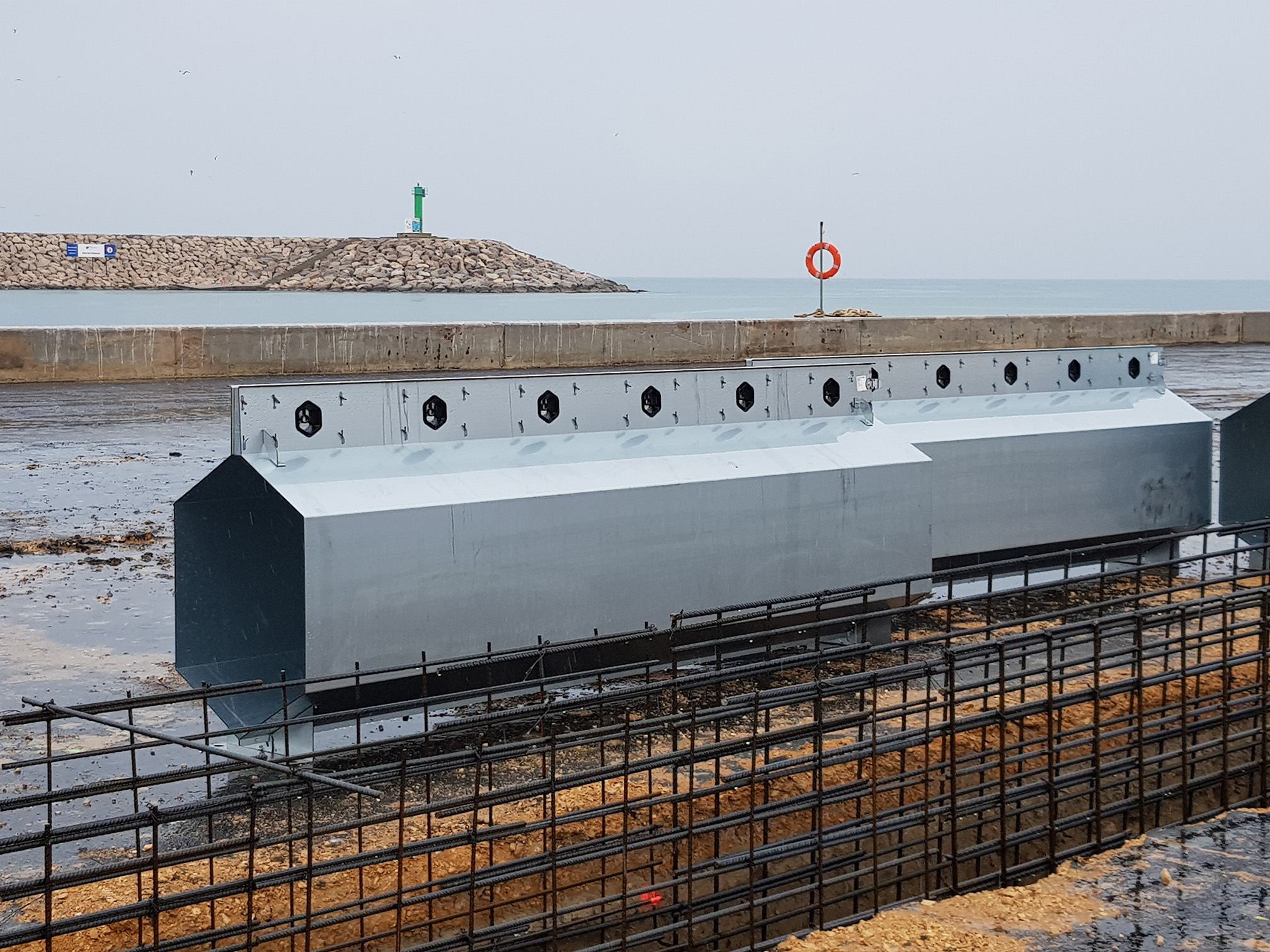
<h2><span class="text--big"><strong>BG-GATIC CastSlot: Heavy-Duty Trench Drainage for Runways</strong></span></h2><p>The <a href="/en-ca/trench-drainage/bg-gatic/castslot"><u>BG-GATIC CastSlot</u></a> is a Buy American Compliant heavy-duty trench drain system for high-traffic zones like runways and taxiways. These large-capacity slot drains for airports are load-tested to ensure durability under demanding environments. BG-GATIC Castslot features a deep concrete cover over the drain channel body to support structural integrity.</p><p>BG-GATIC CastSlot comes in various sizes, ranging from 4” to 24” wide and 1.6’ to 9.8’ long. Dimensions are designed to withstand ultra-heavy-duty loads.</p>
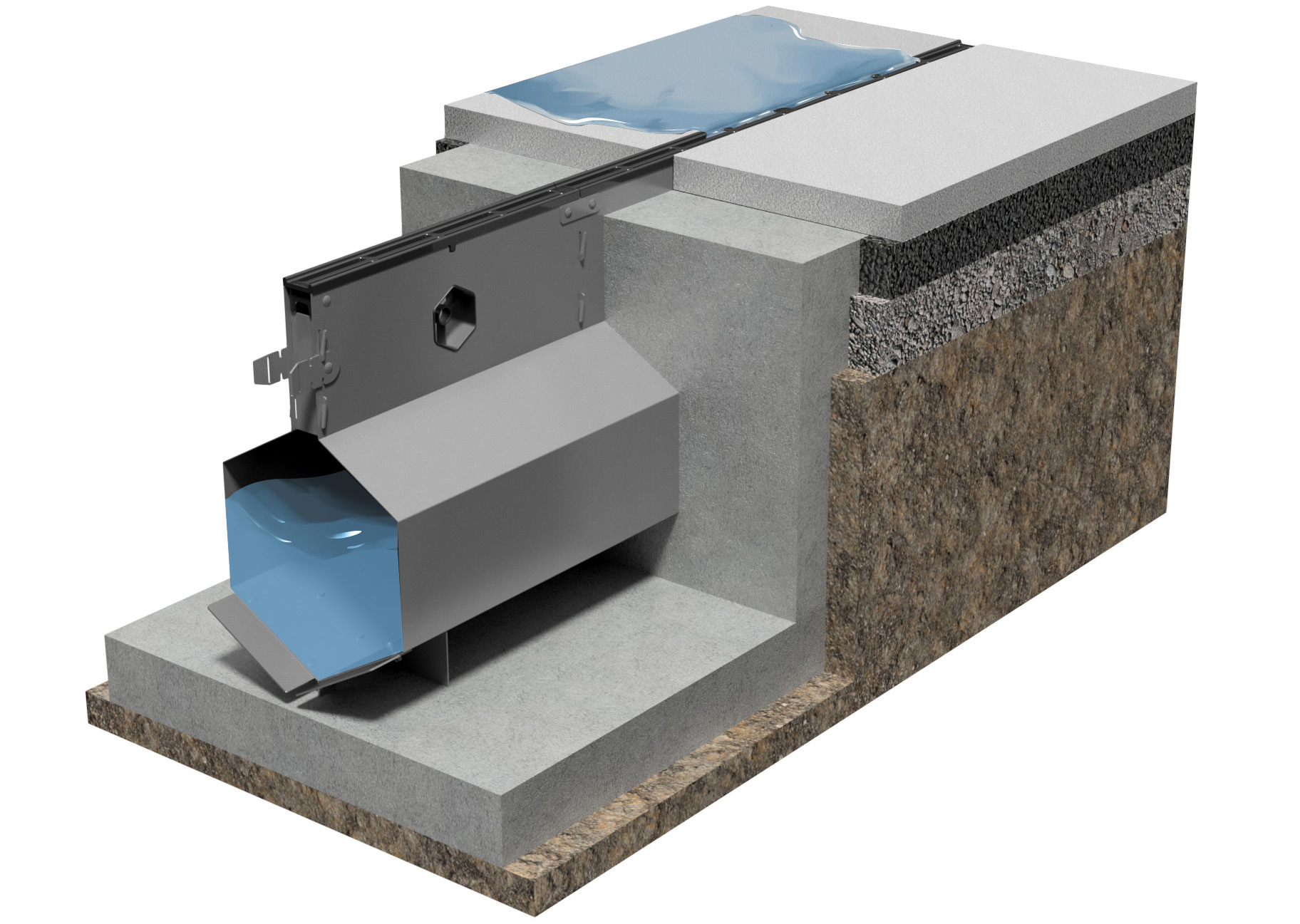
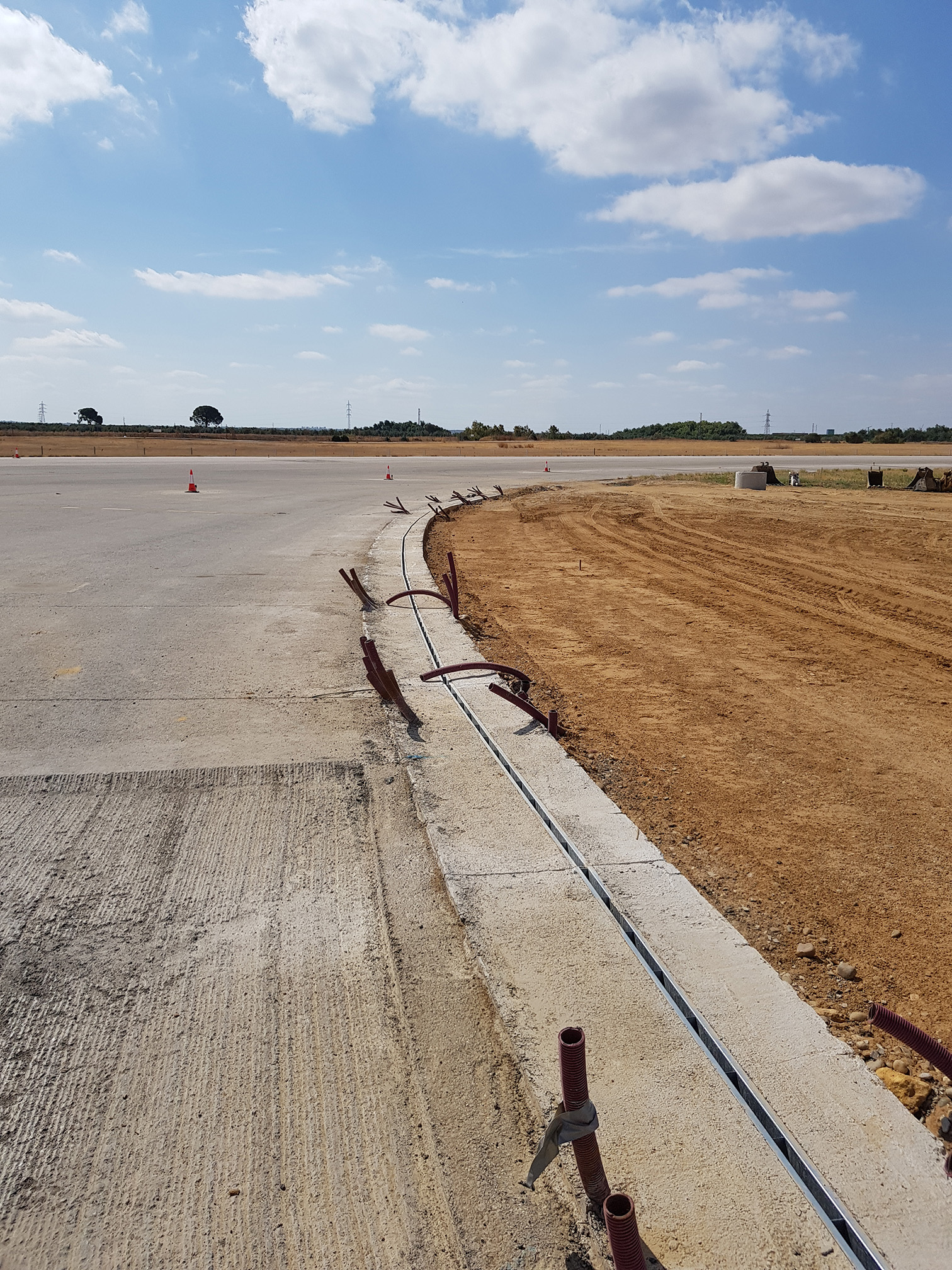
<p><strong>Other advanced features for maximum efficiency include:</strong></p><ul><li>BG-GATIC CastSlot incorporates <strong>continuous, uninterrupted slot openings</strong> designed for heavy-duty drainage systems like those used in airport runways.</li><li><strong>Eco-friendly galvanized steel</strong> ensure resistance to corrosion, extreme heat, and impacts. These materials are fully recyclable, aligning with sustainability codes like BS EN ISO 14001.</li><li><strong>Through-spacers allow cables to pass through the channel throats</strong>, adding adaptability for runway applications where utility installations may be present. BG-GATIC CastSlot meets the F900 load classification and handles loads of up to 900 kN.</li><li>Heavy-duty trench drain systems <strong>accommodate an outlet every 200+ yards</strong> in their configuration, aligning with their high-load and efficient design.</li><li>Silt boxes in the <strong>BG-GATIC CastSlot system capture debris and sediments</strong> that enter the drain system, avoiding blockages in the continuous slot and downstream pipework. Slot boxes can be integrated at outlet points to maintain efficient flow while protecting the drainage infrastructure.</li><li>The <strong>CastSlot system is modular</strong>, with channel lengths of 1.64 ft and 9.84 ft, allowing <strong>flexible configurations</strong> to fit various runway layouts. Interlocking joints ensure accurate alignment and a watertight seal.</li></ul>
<p>The BG-GATIC CastSlot trench drain has a proven track record in global aviation infrastructure. This trench drain is a preferred stormwater management solution for airport applications thanks to its F900 load class compliance, continuous uninterrupted slots, modular configuration, and high hydraulic capacity. </p><p><strong>Trusted by airports worldwide, this market-leading drainage solution has been installed successfully in 90+ airports </strong>(including ATL, JFK, LAS, LAX, MIA, & YOW).</p>
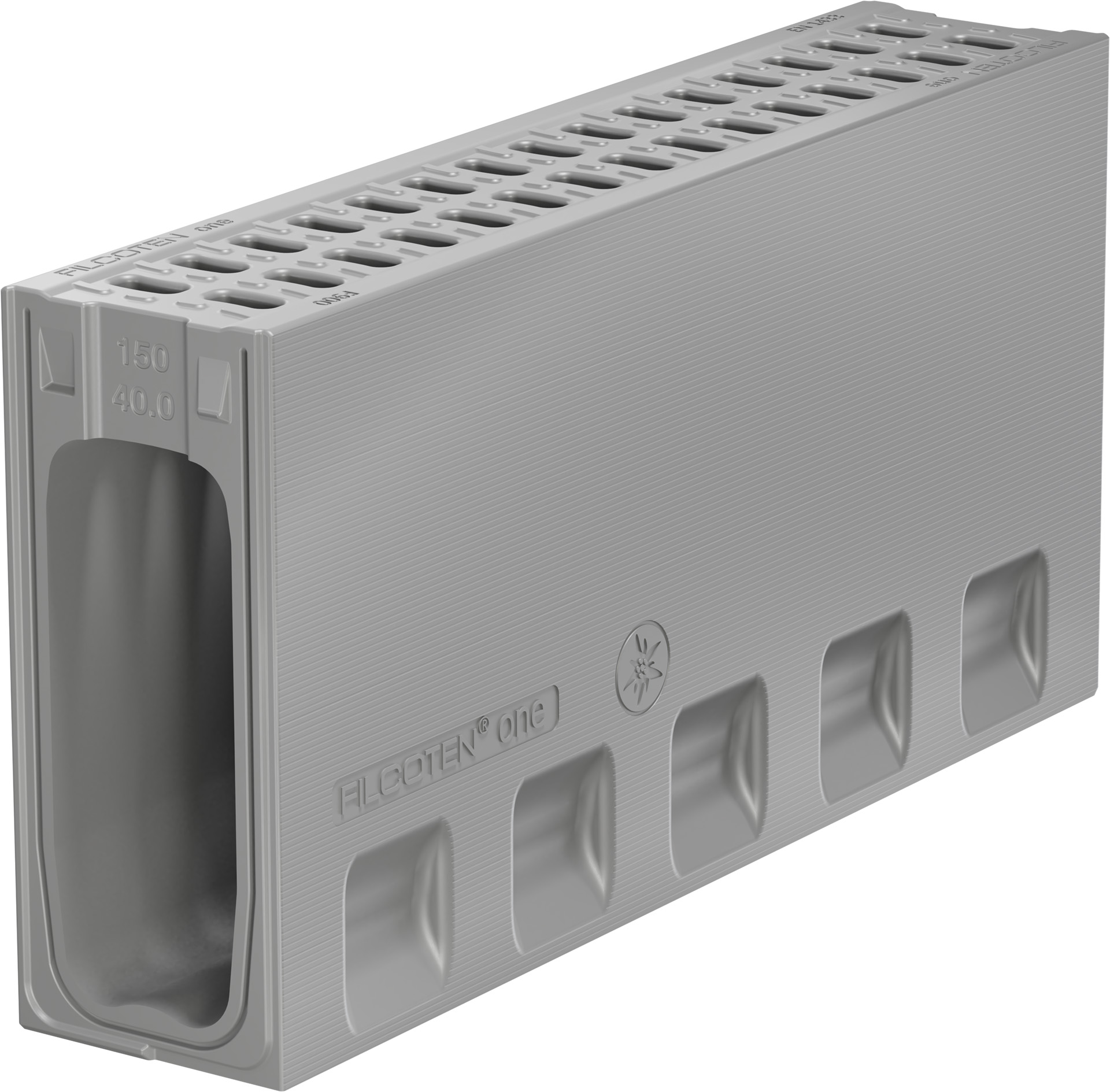
<h2><span class="text--big"><strong>BG-FILCOTEN one: Sustainable Drainage for Airport Warehouse</strong></span></h2><p><a href="/en-ca/trench-drainage/bg-filcoten/one/nw-150-mm-6"><strong><u>BG-FILCOTEN one</u></strong></a> trench drain systems are ideal for airport warehouses, cargo zones, and logistic areas due to their robust design, high hydraulic capacity, and innovative features suited to high-traffic, heavy-load environments. </p>
<p>Widths of NW 150 mm and NW 200 mm and F900 load class configurations make the BG-FILCOTEN one an ideal choice for the drainage requirements of airport infrastructure and environments. F900 load classification ensures the drain system can withstand heavy loads from forklifts, delivery trucks, and warehouse traffic.</p><p>The BG-FILCOTEN one also features sustainable and maintenance-friendly FILCOTEN High Performance Concrete (HPC). This keeps the weight low and eases installation.</p>
<h2><span class="text--big"><strong>Conclusion: Investing in Smarter Drainage Systems for Safer Airports</strong></span></h2><p>Engineered for extreme weather resilience, BG-GATIC CastSlot systems exceed international standards for stormwater runoff and infiltration installations. BG-GATIC CastSlot systems ensure safe, efficient, and fully operational airport environments year-round by improving drainage and limiting water pooling.</p>
Are you seeking best-in-class stormwater management performance?
Contact BG-Graspointner for tailored drainage solutions today!